

Do Solar Panels Affect Homeowners Insurance in Florida?
For many Florida homeowners, solar panels are an exciting way to lower electric bills, increase energy independence, and make better use of the Sunshine State’s abundant sunlight. But before installing a solar energy system, one practical question often comes up:
Will solar panels affect my homeowners insurance?
The short answer is: they can. In many cases, rooftop solar panels may be covered under a standard homeowners insurance policy, but coverage depends on your insurance company, your policy, your roof, and how the system is installed. Because Florida has a unique insurance market, it is important to ask the right questions before moving forward.
Are Solar Panels Usually Covered by Homeowners Insurance?
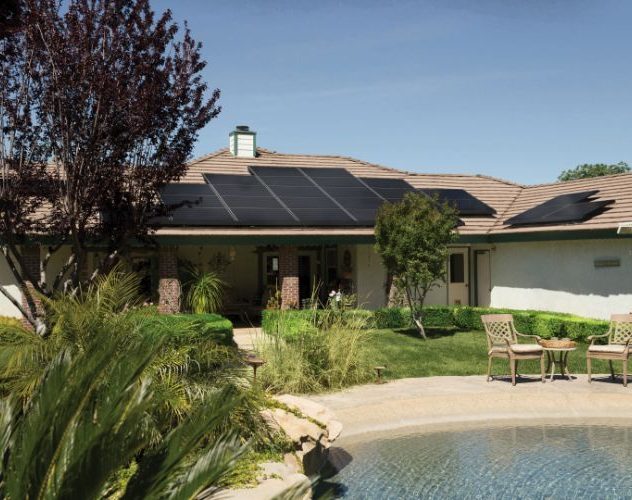
In many situations, roof-mounted solar panels are considered part of the home once they are permanently installed. That means they may fall under dwelling coverage, similar to other attached parts of the house.
However, every policy is different. Some insurance companies may cover solar panels automatically, while others may require you to update your policy, increase your coverage limits, or provide documentation about the installation.
Ground-mounted solar systems may be treated differently because they are not attached to the home. These may fall under other structures coverage or require additional protection.
The most important step is simple: contact your insurance agent before installation.
Why Florida Homeowners Need to Be Extra Careful
Florida is one of the most challenging states for homeowners insurance. Hurricanes, high winds, roof age, storm claims, and rising replacement costs have all made insurance companies more selective.
Because solar panels are installed on or near the roof, some insurers may want to know details such as:
- How old is the roof?
- What type of roof does the home have?
- Who is installing the solar panels?
- Is the installer licensed and insured?
- Will the system meet Florida wind-load requirements?
- Are permits being pulled properly?
- Will the installation affect the roof warranty?
These questions do not mean solar is a bad idea. They simply mean the installation needs to be handled correctly and documented clearly.
What to Ask Your Insurance Company Before Installing Solar
Before signing a solar agreement, call your homeowners insurance provider and ask:
1. Will my policy cover roof-mounted solar panels?
Confirm whether solar panels are included under your existing dwelling coverage or if you need to adjust your policy.
2. Do I need to increase my coverage limits?
Solar panels add value to your home. Your insurer may recommend increasing coverage to reflect the added replacement cost.
3. Are there any solar-specific exclusions?
Some policies may limit coverage for certain equipment, storm damage, electrical components, or detached systems.
4. Do you require documentation from the installer?
Your insurance company may want permits, engineering documents, product specs, proof of licensed installation, or final inspection records.
5. Will my roof age or roof condition affect approval?
If your roof is older, your insurer may want it inspected or replaced before solar panels are installed.
Why Roof Condition Matters
Your roof plays a major role in the solar conversation. Solar panels are designed to last for decades, so it is important to make sure the roof underneath them is ready.
If a roof is nearing the end of its lifespan, installing solar before replacing the roof can create extra costs later. The panels may need to be removed and reinstalled when the roof is replaced.
That is why SolarMax looks at the bigger picture. A proper solar consultation should consider your energy usage, roof condition, panel placement, system design, and long-term performance.
Professional Installation Makes a Difference
Insurance companies care about risk. A properly installed solar system reduces unnecessary risk.
A professional solar installation should include:
- Proper permitting
- Code-compliant electrical work
- Strong roof attachment methods
- Weather-resistant flashing
- Wind-load considerations
- Final inspection
- Clear documentation for the homeowner
In Florida, this matters even more because solar systems must be built with storms, heat, humidity, and heavy rain in mind.
Choosing an experienced Florida solar installer can help protect your home, your roof, and your investment.
Can Solar Panels Increase Home Value?
Solar panels may increase the value of your home, especially when they help reduce energy costs. But if your home value increases, your insurance coverage may need to keep up.
That is another reason to contact your agent. You want your policy to reflect the true replacement value of the home and solar equipment.
Do Solar Panels Affect Hurricane Coverage?
Solar panels do not automatically remove hurricane coverage, but your insurer may review how the system is installed. In Florida, wind resistance and roof protection are major concerns.
A quality solar installer should use mounting equipment designed for Florida conditions and follow all local building requirements. Homeowners should keep copies of permits, inspection approvals, and warranty information in case they are ever needed for an insurance review or claim.
Solar, Batteries, and Backup Power
If you are adding battery backup, such as a Tesla Powerwall, ask your insurance company whether the battery system requires additional documentation or coverage.
Battery storage can be a major benefit during outages, but it is still important for your insurer to understand what equipment is being added and where it will be installed.
The Bottom Line for Florida Homeowners
Solar panels can be a smart investment for Florida homeowners, but insurance should be part of the planning process.
Before installing solar panels, take these steps:
- Call your homeowners insurance agent
- Confirm how solar panels are covered
- Ask if your coverage limits should change
- Review any roof-related requirements
- Work with a licensed, experienced installer
- Keep all permits, warranties, and inspection documents
Solar should give you more confidence in your home’s energy future, not more uncertainty.
Talk to SolarMax Before You Go Solar
At SolarMax, we help Florida homeowners understand the full solar process from start to finish. From system design and permitting to installation and long-term performance, our team is here to make going solar simple, clear, and practical.
If you are thinking about solar panels for your Florida home, contact SolarMax today to schedule a free consultation and find out what system makes the most sense for your roof, your energy usage, and your long-term savings goals.


Leave a Reply