
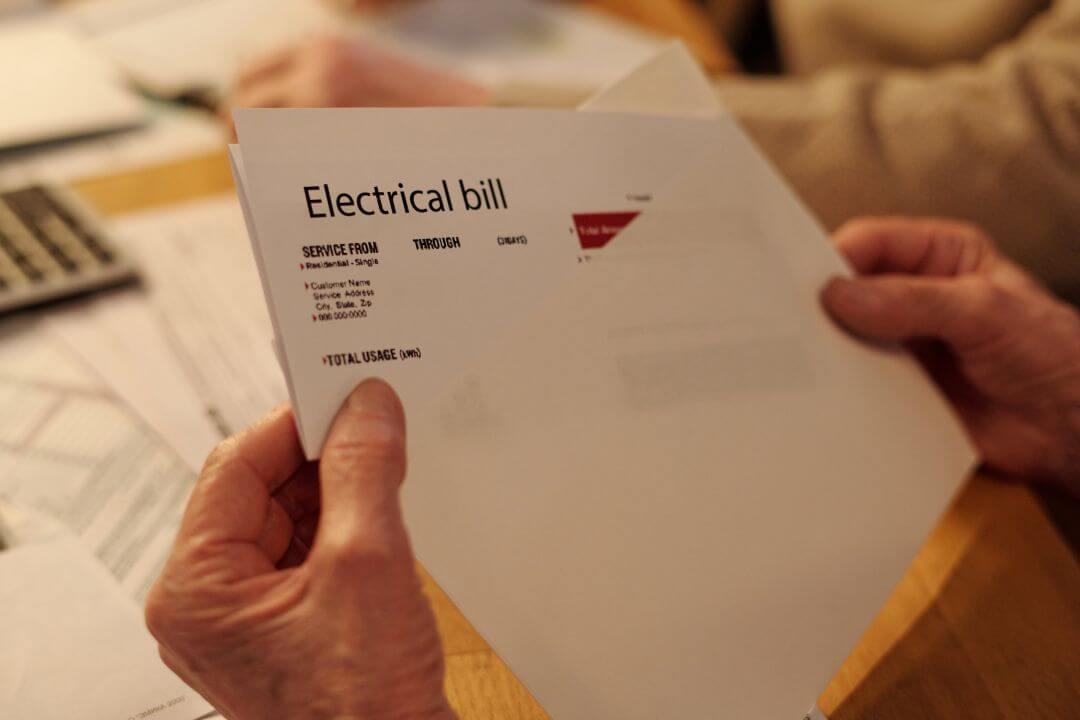
Florida Electric Bills Explained: The Charges, Fees & Surcharges Costing Homeowners More Every Month
If your electric bill in Florida feels confusing, unpredictable, or outrageously high lately—you’re not imagining it.
Most homeowners assume they’re only paying for the electricity they use. In reality, your monthly utility bill is made up of multiple layers of charges, fees, taxes, and surcharges that continue increasing year after year.
At SolarMax, we believe homeowners should understand exactly where their money is going. Once you break down your electric bill line by line, it becomes much easier to understand why so many Florida residents are exploring solar energy solutions.
 The Two Biggest Factors Behind Your Electric Bill
 The Two Biggest Factors Behind Your Electric Bill
Almost every electric bill comes down to two core numbers:
How much electricity your home used (measured in kilowatt-hours or kWh)
How much your utility charges per kWh—plus fixed fees and surcharges
A kilowatt-hour (kWh) is simply a unit of energy. For example:
Running a 1,000-watt appliance for one hour = 1 kWh used.
But usage alone doesn’t explain why bills have become so expensive in Florida.
That’s because utilities stack multiple additional costs on top of your usage charges.
Customer Charges & Base Fees
One of the first charges on your bill is usually the:
- Customer charge
- Basic service fee
- Meter fee
This is a fixed monthly fee you pay simply for being connected to the power grid—even if you barely use electricity.
These fees help utilities cover:
- Meter maintenance
- Billing systems
- Customer service
- Electrical infrastructure
Many Florida homeowners are surprised to learn these charges cannot be eliminated simply by reducing energy usage.
In recent years, some Florida utilities have also implemented minimum bill requirements, meaning customers must pay a baseline amount regardless of solar production or low usage.
Energy Charges (kWh Charges)
This is the portion of your bill most people recognize.
Utilities charge you for every kilowatt-hour your home consumes. The more electricity your household uses, the higher this section becomes.
In Florida, the biggest contributors to high energy usage are usually:
- Air conditioning systems
- Pool pumps
- Water heaters
- Older appliances
Because Florida’s climate is hot and humid most of the year, AC usage alone can dramatically increase monthly bills during summer months.
Fuel Charges & Fuel Cost Recovery Fees
This is one of the biggest reasons Florida electric bills have surged over the last several years.
Utility companies use fuels like:
- Natural gas
- Coal
- Oil
to generate electricity. When fuel prices rise, those costs are passed directly onto customers through fuel surcharges or fuel recovery charges.
These charges fluctuate based on:
- Global fuel markets
- Inflation
- Supply chain disruptions
- Weather events
- Energy demand
Many homeowners notice their bill increasing even when their usage stays relatively similar—and fuel charges are often the reason.
Storm Recovery & Hurricane Infrastructure Fees
Living in Florida means utilities constantly spend money repairing and upgrading infrastructure damaged by storms and hurricanes.
Because of this, many utility bills now include:
- Storm protection charges
- Grid hardening fees
- Storm restoration surcharges
These fees help fund:
- Pole replacements
- Underground utilities
- Grid upgrades
- Emergency restoration work
While these charges may seem small individually, they add up significantly over time.
Taxes & Government Fees on Florida Electric Bills
Many homeowners don’t realize how much of their electric bill comes from taxes and municipal fees.
Common examples include:
- Gross receipts tax
- Public service tax
- Franchise fees
- Sales tax
These fees are often percentage-based, meaning the higher your electric bill becomes, the more taxes you pay as well.
Why Florida Electric Bills Keep Rising
Florida homeowners have experienced major utility increases in recent years.
According to solar industry reporting, some Florida utilities have seen dramatic bill increases since 2020.
Several factors contribute to rising rates:
- Fuel price volatility
- Population growth
- Aging infrastructure
- Hurricane recovery costs
- Increased electricity demand
- Inflation and maintenance expenses
And because Florida households rely heavily on air conditioning, homeowners are especially vulnerable to utility rate hikes.
Hidden Charges Most Homeowners Never Notice
Many bills contain smaller line items that often go overlooked, including:
- Environmental cost recovery fees
- Energy conservation charges
- Demand-side management fees
- Grid modernization charges
These are usually buried in the bill and can be difficult to understand without carefully reviewing the statement.
That’s why so many homeowners feel frustrated trying to figure out why their bills continue climbing.
How to Read Your Florida Electric Bill
If you want to better understand your monthly costs, start by separating your bill into three categories:
1. Base Charges
These include:
- Customer fees
- Meter fees
- Standard energy charges
2. Adjustable Charges
These often fluctuate and include:
- Fuel surcharges
- Storm recovery fees
- Environmental fees
3. Taxes & Government Fees
These are state and local taxes added onto the bill.
Comparing bills month-to-month can help you identify which categories are increasing the fastest.
Why More Florida Homeowners Are Turning to Solar
As utility bills continue rising, more homeowners are looking for ways to reduce dependence on the grid.
Solar energy allows homeowners to:
- Generate their own electricity
- Reduce monthly utility costs
- Protect against future rate increases
- Gain more energy independence
In Florida, net metering programs also allow homeowners to receive credits for excess solar energy sent back to the grid.
Many homeowners are also pairing solar systems with battery backup solutions for additional protection during outages and hurricane season.
Solar Doesn’t Always Mean a $0 Bill
One important thing homeowners should understand is that even with solar, some utility fees may still apply.
Many Florida utility companies still charge:
- Minimum connection fees
- Grid access charges
- Taxes and service fees
That’s why working with an experienced solar company matters—because realistic expectations and proper system design are critical.
Why Homeowners Choose SolarMax
At SolarMax, we help Florida homeowners understand their energy costs and explore long-term solutions that make sense for their homes and budgets.
We provide:
- Customized solar system design
- Battery backup solutions
- Honest energy savings analysis
- Professional in-house installation
Our goal is simple:
Help homeowners take control of rising energy costs with smarter solar solutions.
Ready to Take Control of Your Electric Bill?
If you’re tired of rising electric rates, confusing surcharges, and unpredictable monthly bills, solar may be the solution.
Contact SolarMax today for a free consultation and discover how much you could save with solar energy in Florida.


Leave a Reply